
Democrats Face Growing Socialist Revolt
Radical progressives gain momentum as Republicans prepare to make socialism a defining campaign issue
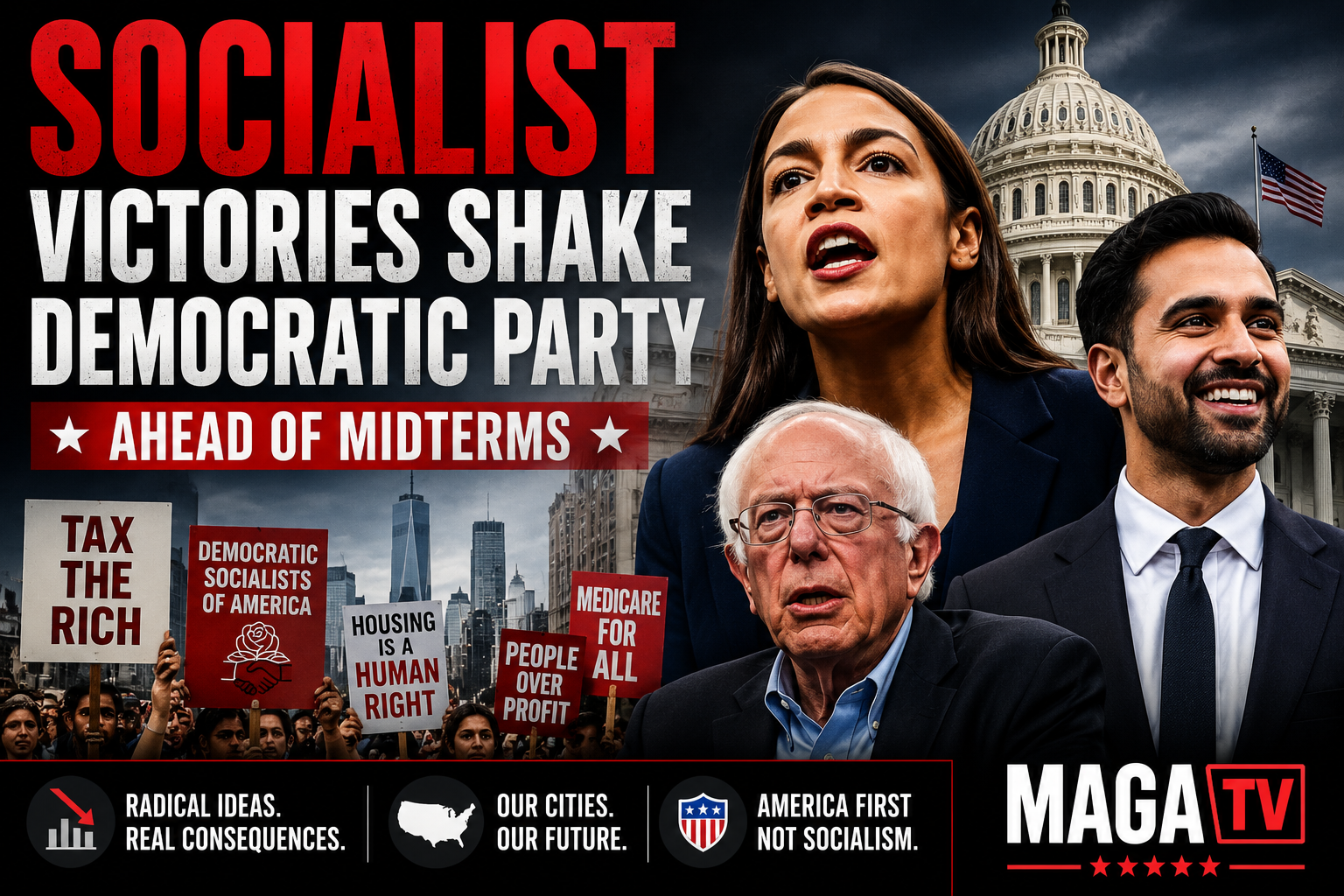
A growing number of Democratic Socialist-backed candidates are reshaping the political conversation inside the Democratic Party, creating new tensions between the party’s progressive wing and its more moderate leadership as the nation moves toward the 2026 midterm elections.
Trump Warns Democrats Are Embracing ‘Godless Communism’
The latest wave of progressive victories has energized activists who believe Democratic voters are demanding more aggressive action on healthcare, housing, climate policy, and wealth inequality. At the same time, those wins have raised concerns among many moderates who worry the party is moving too far left on economic and cultural issues.

Republicans have seized on those developments, arguing they demonstrate that socialist ideas are no longer confined to the political fringe but are increasingly influencing Democratic priorities in some of the nation’s largest cities.
Former President Donald Trump recently warned supporters that Democrats are failing to confront what he described as a growing socialist movement within their own party, framing the issue as one of the defining ideological battles facing America.
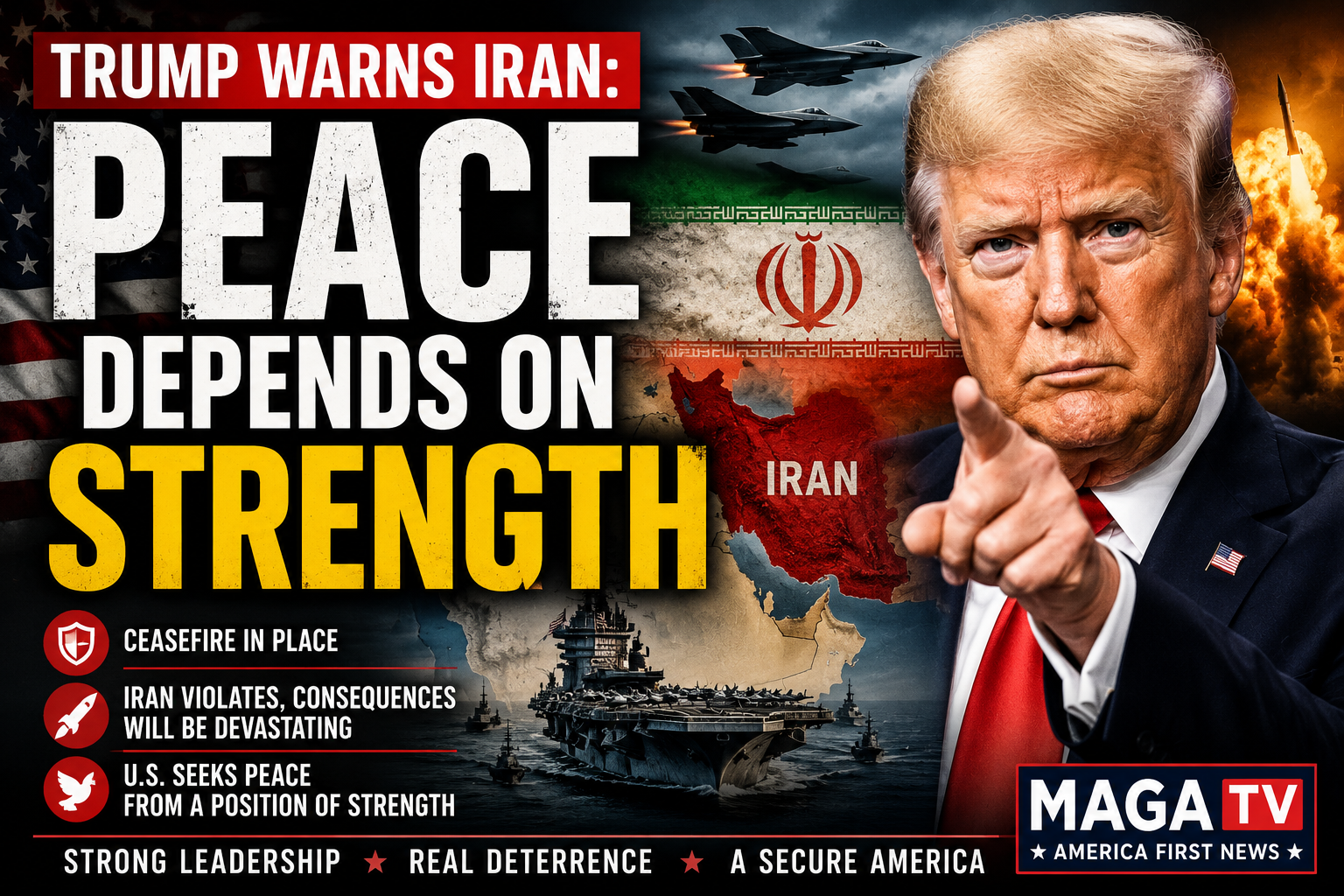
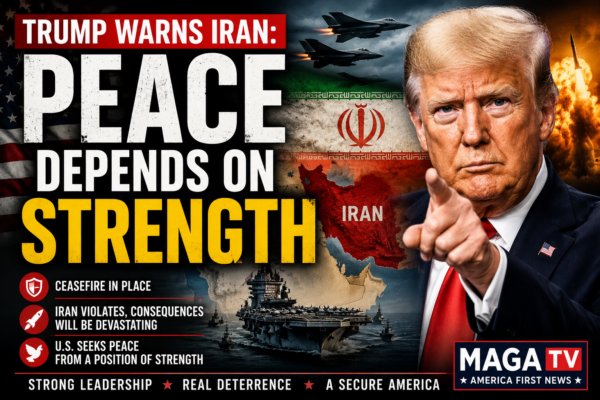
Trump Warns Iran: Peace Depends on Strength
A Party Moving Left?
Over the past decade, candidates identifying as democratic socialists or aligning with organizations such as the Democratic Socialists of America have become increasingly visible in local, state, and federal elections.
Many advocate policies including:
- Universal government-funded healthcare
- Expanded federal housing programs
- Tuition-free public college
- Higher taxes on top income earners
- Stronger labor protections
- Expanded climate initiatives
- Greater government involvement in key sectors of the economy
Supporters argue these proposals address rising living costs, healthcare access, and economic inequality.
Critics counter that they would significantly expand federal spending, increase the size of government, discourage private investment, and place additional burdens on taxpayers.
The debate has become one of the defining policy divisions inside the Democratic coalition.
Republicans See an Opportunity
For Republican candidates, the recent victories provide a clear campaign message.
Rather than focusing solely on personalities, many GOP campaigns are expected to argue that the election represents a choice between two fundamentally different visions for America’s future.
Republicans continue emphasizing:
- Lower taxes
- Energy independence
- Strong border security
- Reduced federal regulation
- Free-market economic policies
- Public safety
- Religious liberty
Party leaders believe these issues resonate with suburban voters, small business owners, working families, and independents concerned about inflation and government spending.
The socialist label has become a recurring talking point, with Republicans seeking to tie Democratic candidates to policies they argue have contributed to economic and public safety challenges in several major metropolitan areas.
Moderates Push Back
Not every Democrat embraces the socialist label.
Many elected officials continue describing themselves as mainstream liberals while emphasizing fiscal responsibility, public-private partnerships, and market-based reforms.
Some strategists worry that allowing Republicans to define the entire party through its most progressive voices could create challenges in competitive districts where independent voters often decide elections.
The internal debate has become increasingly visible as Democratic leaders attempt to balance demands from progressive activists with the broader coalition needed to win statewide and national elections.
Why Cities Have Become the Battleground
America’s largest cities have become the focal point of the national conversation.
Issues such as homelessness, housing affordability, crime, illegal immigration, policing, and economic development frequently dominate local campaigns.
Progressive candidates often argue these problems require expanded public investment and stronger government intervention.
Conservative leaders generally advocate lower taxes, support for law enforcement, regulatory reform, and private-sector investment as the most effective path toward revitalizing struggling communities.
The contrasting approaches have transformed local elections into national political flashpoints.
Looking Toward 2026
Political analysts expect the ideological debate to remain front and center throughout the midterm campaign.
Republicans will likely continue highlighting socialism as a central issue while emphasizing America First economic policies, border security, and constitutional freedoms.
Democrats, meanwhile, face the challenge of presenting a unified message while navigating differing visions within their own coalition.
As campaigns intensify over the coming months, questions surrounding the proper role of government, economic freedom, and public policy are expected to become increasingly important to voters across the country.
What Happens Next
The debate over socialism inside the Democratic Party is unlikely to fade anytime soon.
With competitive congressional races approaching and national attention focused on economic conditions, immigration, and public safety, both parties are expected to sharpen their contrasting messages.
MAGATV will continue following these developments as the 2026 campaign season unfolds, providing coverage of both policy proposals and the political battles shaping America’s future.